


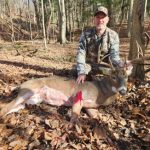

Summer has arrived, and it’s thrilling to witness the rapid growth of velvet antlers! Bucks are actively marking their territory by creating scrapes and leaving their unique scents. If you haven’t set up scrapes yet, now’s the perfect time to dive in! To draw in these magnificent animals, think about using all-natural preorbital, forehead, and interdigital gland lures. By applying these scents thoughtfully, you’ll boost your chances and truly appreciate the excitement of the great outdoors!
Preorbital Gland
In my opinion, the most important gland to utilize in a mock scrape is the preorbital gland. All deer possess preorbital glands, which they frequently engage when working a scrape. These glands are located near the eyes and are controlled by muscles that allow deer to open and close them, adjusting their size.
To attract new deer to your property, use a natural gland lure, such as Head-Scratcher gland lure, applying just a small amount. Keep in mind that while the preorbital gland is just one small piece of the puzzle, it is the most crucial piece.
Forehead Gland
The second component of the mock scrape puzzle is the forehead gland. This gland is situated just above the eyes and between the ears. Both bucks and does have forehead glands that they use year-round to mark scrapes with their scent. After bucks shed their velvet, their forehead glands become highly active, producing a significant amount of secretion that they apply to rubs and scrapes.
One reason I recommend the Head-Scratcher Gland Lure is that it is a special blend of preorbital and forehead gland lures. Both of these glands are found on a deer’s head and can be effectively used on licking branches, ropes, or other mock scrape products.
Interdigital Gland
The final piece of the puzzle in creating a mock scrape is to use a natural interdigital gland lure. Each deer has four interdigital glands located between their hooves. When deer approach a scrape, they typically smell the ground to determine which deer visited last. If you do not use an interdigital gland lure, you are missing an important component of the complete puzzle. I recommend using Contender Interdigital Mix in your scrapes, as it contains glands found on a deer’s legs.
If you want to learn more about the eight glands that deer use to communicate, check out the video above, which I created to help people understand how deer interact with one another. For additional information, you can refer to my book, Non-Verbal Whitetail Deer Communication: The Power of Gland Lure. You might also find my previous article, Mock Scrapes 101, helpful as it contains important information on the topic.

