


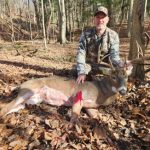

For many whitetail hunters, October can be one of the season’s most frustrating months. Early-season deer movement may slow, bucks once visible during daylight hours may disappear, and trail-camera activity can become unpredictable. This period is often referred to as the “October Lull.” Deer don’t stop moving entirely, but changes in food sources, hunting pressure, weather, and daily routines can make mature bucks harder to locate. Here are three important strategies for understanding whitetail behavior during this difficult time.

1. Focus on Food Sources and Changing Patterns
As October progresses, food sources significantly influence where deer spend their time. Agricultural fields, acorns, soft mast, and various other available foods all compete for a buck’s attention. A food source that attracted deer earlier in the month may become less appealing as environmental conditions change.
Use fresh observations and trail camera information to determine which food sources deer are currently using. Instead of assuming that bucks will follow the same patterns as in September, look for signs of changing activity.
Oak trees can be particularly important when acorns are abundant. Deer may adjust their feeding patterns toward areas with a reliable supply of preferred acorns. Agricultural crops can also remain attractive, depending on what else is available nearby.
The key takeaway is that deer behavior changes throughout the fall. Understanding current food availability can offer valuable insights into where deer are likely to spend their time.

2. Pay Attention to Bedding Areas and Travel Corridors
Understanding how whitetail deer move between their bedding areas and feeding locations is essential, especially when their movement seems limited. Deer typically navigate through their home ranges by using cover, terrain features, and natural barriers.
Look for signs of regular deer activity such as tracks, trails, and other evidence of movement. Terrain features and vegetation can influence deer movement, but these patterns may vary with habitat, weather, hunting pressure, and individual deer behavior.
Also consider any disturbances in the area. Frequent human activity can cause deer to change their routines or to prefer locations where they feel safer. Observing from a distance and minimizing unnecessary disruptions can help you gather valuable information about deer movement.
Instead of expecting a buck to appear in the same spot every evening, think about the larger landscape and how food sources, cover, and travel routes are interconnected. This broader perspective will deepen your understanding of the property, rather than relying on a single sign or sighting.

3. Be Patient and Adapt to Changing Conditions
One of the biggest mistakes during the October lull is assuming that a quiet stretch means deer have disappeared. Whitetails keep feeding, resting, and traveling, even when daylight sightings become less frequent.
Weather changes can influence deer activity, while hunting pressure and seasonal shifts can affect when deer are visible. Track conditions and compare your observations over time instead of drawing conclusions from a single slow day.
Patience is essential. Avoid making repeated changes based on limited evidence. Keep notes about sightings, food availability, weather, and signs of activity. These observations can help reveal patterns as the season progresses.

Final Thoughts on the October Lull
The October lull can test a hunter’s patience, but it also offers a chance to better understand whitetail deer behavior. Focus on the changing food sources, learn about their bedding and travel patterns, and be ready to adapt to current conditions. These three strategies are essential for navigating this period.
Remember, the October lull does not mean a complete halt in deer movement. Each property and each season can vary significantly. By observing closely, minimizing disturbances, and staying flexible, hunters can better understand what’s happening in the woods and be well prepared for when deer activity increases again.

