


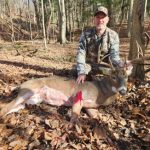

Managing whitetail deer on a small property, even under 100 acres, can be an exciting adventure! While you may face challenges from neighboring lands and hunting activities, a well-thought-out management strategy can still lead to excellent results. By focusing on what you can control, you can create outstanding deer habitat and enjoy quality hunting experiences.
Concentrate on four key aspects: improving habitat, managing hunting pressure, understanding deer movement, and implementing selective deer harvests. Each factor can significantly affect your ability to attract and maintain a healthy deer population. With a positive mindset and a solid plan, your small property can become a thriving sanctuary for whitetails!
Improve and Protect Quality Habitat

A successful deer management program relies on three key elements: food, cover, and security. Every inch of your property can help support the deer population!
Instead of focusing on one large food plot, consider creating several smaller plots with diverse crops and cover. This strategy allows you to provide a range of food options throughout the seasons. Depending on your location and land size, consider incorporating perennial plots, annual crops, native vegetation, fruit-bearing trees, or even encouraging naturally growing plants.
Don’t underestimate the importance of cover! Deer thrive in secure bedding areas that offer them safety during the day. You can create a comfortable habitat by practicing selective timber management, strategically hinge-cutting trees when needed, and letting certain areas of your land grow wild.
Additionally, consider water availability! While deer can travel long distances for water, reliable nearby sources will make your habitat even more inviting.
Your goal doesn’t have to be to house every deer in the area. Instead, focus on creating quality habitats that encourage deer to linger and thrive in your space.
Control Hunting Pressure

Managing hunting pressure on small properties can be an enjoyable challenge! A well-designed food plot or bedding area works better when deer feel secure visiting.
Sometimes, less is more! Instead of hunting every time conditions seem perfect, choose your outings. Watch wind direction, access routes, and the weather to improve your chances of success. It’s all about understanding where deer are likely to be during your visit!
Access is crucial! Create entry and exit routes that minimize disturbances to the deer. When deer encounter humans too often, hunting on a small property can become more difficult.
Consider setting up sanctuary zones where you don’t hunt at all. These safe havens can encourage mature bucks to feel more comfortable and remain in the area during daylight hours.
Keep in mind that hunting pressure isn’t just about your activities. Neighboring hunters’ movements can also significantly affect deer behavior. By monitoring who is hunting nearby and how it might influence the deer on your property, you can better maximize your land’s potential for a rewarding hunting experience. Embrace the process and enjoy your time in the great outdoors!
Understand and Manage Deer Movement

Managing deer movement on properties smaller than 100 acres can be an exciting challenge! By understanding why deer prefer certain areas, you can significantly enhance your experience. Pay attention to the connections between bedding sites, food sources, water availability, terrain, and cover for security. Look for clues such as trails, rubs, scrapes, funnels, creek crossings, field edges, and terrain features to learn how deer navigate your land.
It’s also interesting to observe how deer movement changes throughout the year. For example, a trail that is heavily trafficked early in the season may quiet down during the rut. As hunting pressure increases, you might notice that mature bucks alter their paths.
Utilizing trail cameras can be a game-changer on smaller properties! Instead of scattering them everywhere, focus on specific locations to answer key questions: Where are the deer bedding? Which food sources attract them? When do bucks typically appear? How do their patterns shift with the weather or seasons?
The more you learn about deer movement on your property, the more empowered you will feel to improve the habitat and optimize your hunting strategy.
Selective Deer Harvests

A small property can support only a limited number of deer. By providing bedding areas, food plots, water sources, and minimizing pressure, you can draw deer to your land. Consider which deer you plan to harvest. Harvesting does is crucial for maintaining a healthy herd. Base the number of does you harvest on how many you regularly observe on your property. Aim to harvest does from different age classes to maintain population balance.
Absolutely, you can be selective when harvesting bucks! While it can be tricky because they move around so much, it’s an exciting opportunity. Are you ready to use your buck tag on a cull buck so others can mature? This choice can be tough, especially if your neighbors lack a management plan, as deer might wander off. But making thoughtful decisions like this can ultimately enhance your hunting experience and promote a healthier deer population!
Creating a plan is an exciting first step, and following it can lead to wonderful results! Your main goal is to enrich the habitat for all the amazing animals on your property. Remember, this journey may take a few years, so embrace patience and savor every moment along the way.
Small Acreage Can Still Produce Big Results


